If you are planning to live in Japan, one of the most common questions is:
“Do foreigners have to join Japan’s National Health Insurance system?”
The short answer is: Yes — in most cases, foreigners staying in Japan for more than three months are legally required to enroll in Japan’s public health insurance system.
However, the exact insurance you need depends on your visa status, employment situation, and length of stay.
This guide explains when National Health Insurance (NHI) is mandatory, who is exempt, and what happens if you fail to enroll.
Quick Answer
National Health Insurance (NHI) is generally mandatory for foreigners who:
- Plan to stay in Japan for more than 3 months
- Have a valid residence status
- Are not enrolled in Employees’ Health Insurance through an employer
You may not need NHI if:
- You are covered by Employees’ Health Insurance
- You are a short-term visitor
- You have a specific exemption
What Is National Health Insurance (NHI)?
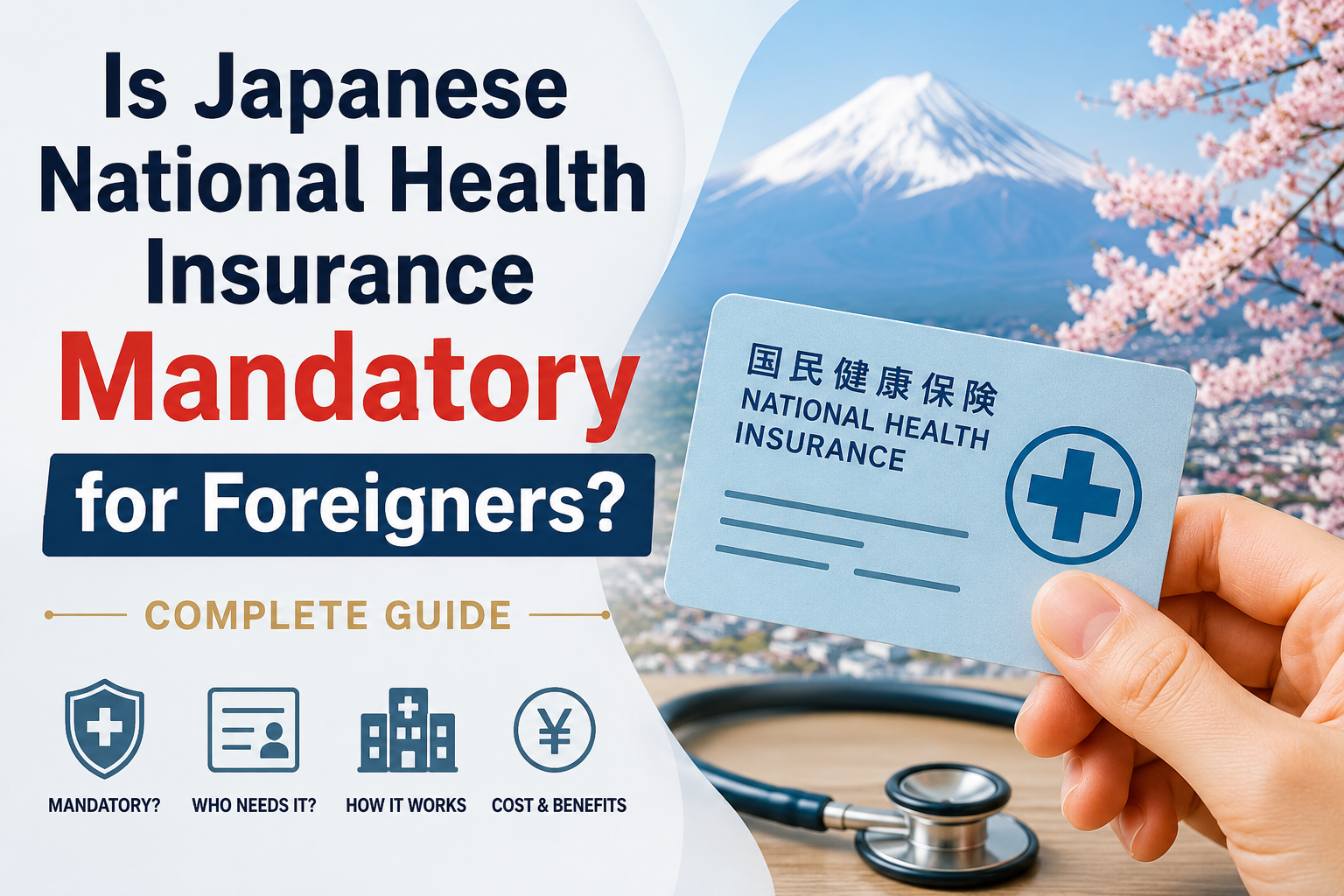
National Health Insurance, known in Japan as Kokumin Kenkō Hoken, is Japan’s public healthcare system for residents who are not covered by employer-sponsored insurance.
It helps reduce healthcare costs by covering approximately 70% of most medical expenses, leaving you responsible for around 30%.
NHI covers:
- Doctor visits
- Hospital treatment
- Prescription medication
- Medical tests
- Emergency treatment
Learn more here:
Complete Guide to National Health Insurance in Japan
Who Must Enroll?
You generally must join National Health Insurance if you are:
- A student
- A freelancer
- Self-employed
- Unemployed
- A dependent not covered by another plan
- A long-term resident without employer insurance
If you live in Japan and do not qualify for Employees’ Health Insurance, enrollment is typically required by law.
Who Does NOT Need National Health Insurance?
You usually do not need to enroll if:
1. You Are Covered by Employees’ Health Insurance
If you work full-time for a company, your employer usually enrolls you in Shakai Hoken (Employees’ Health Insurance).
Read more:
Employees’ Health Insurance Guide
2. You Are a Short-Term Visitor
Tourists and short-term visitors generally cannot join NHI.
Instead, travel insurance is strongly recommended.
Compare Travel Insurance for Japan
3. You Have an Exemption
Some diplomatic or treaty-based residence statuses may be exempt.
What Happens If You Don’t Enroll?
Failing to enroll can cause serious problems.
You may face:
- Retroactive premium payments
- Unexpected medical bills
- Administrative complications
- Potential issues with local procedures
Municipal offices can require payment for the months you should have been enrolled.
How to Enroll in National Health Insurance
Enrollment is handled at your local city or ward office.
You will usually need:
- Residence card
- Passport
- Address registration information
- My Number (if issued)
After registering, you receive an insurance card for use at clinics and hospitals.
How Much Does It Cost?
NHI premiums vary depending on:
- Your previous income
- Your municipality
- Household size
Typical monthly costs range from:
¥2,000 to ¥30,000+
Students and low-income residents may qualify for reductions.
See our full breakdown:
Health Insurance Costs in Japan
Should You Get Private Insurance Too?
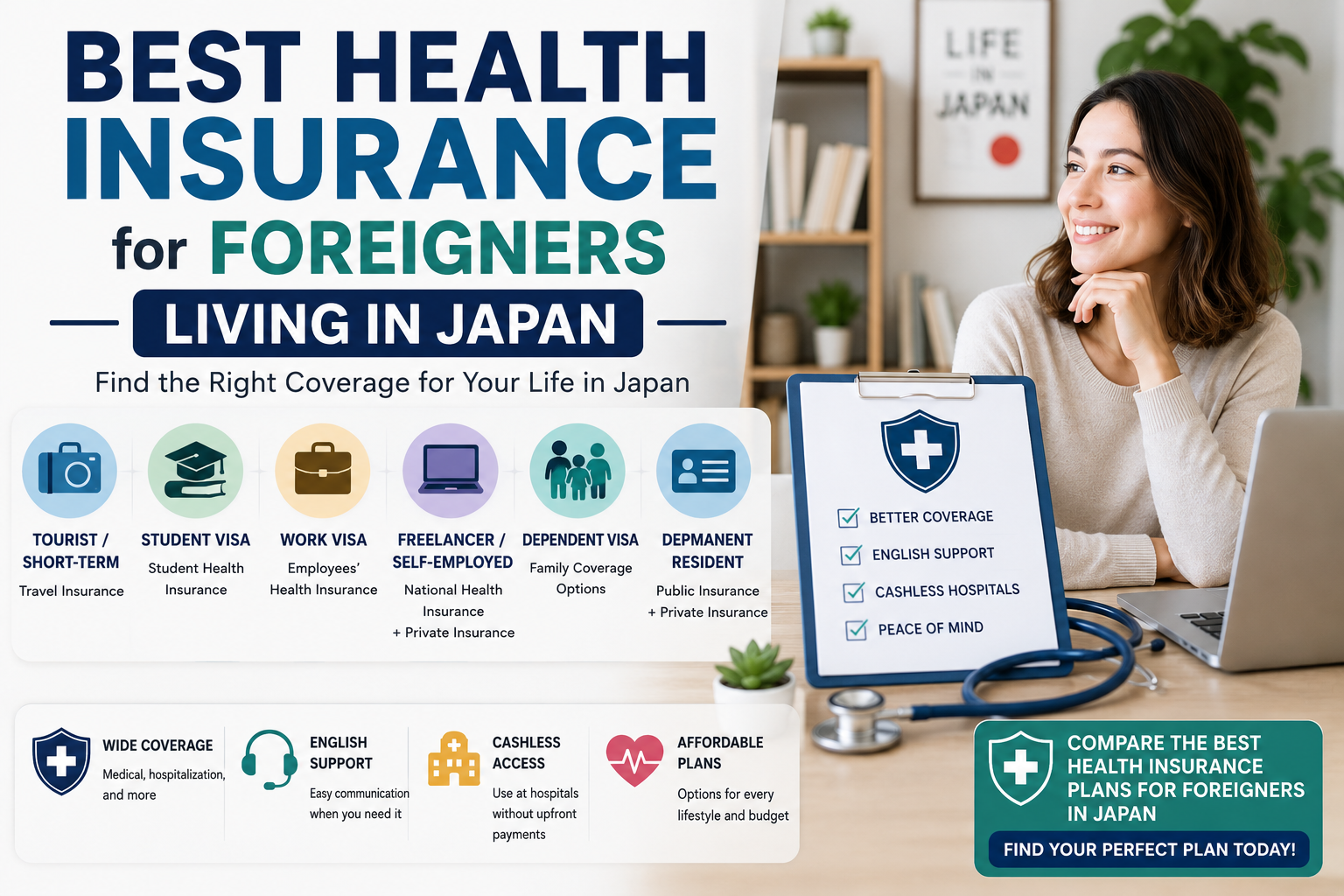
Even if you are enrolled in NHI, many foreigners choose additional private insurance for:
- English-language support
- Cashless hospital access
- Extra hospitalization coverage
- Higher reimbursement limits
Recommended for Long-Term Residents
Compare private insurance options designed for foreigners living in Japan.
Compare Private Health Insurance Plans
Final Answer: Is It Mandatory?
Yes — for most long-term foreign residents, Japanese National Health Insurance is mandatory unless you are already covered by Employees’ Health Insurance.
Understanding your obligations early can help you avoid penalties and ensure access to affordable healthcare while living in Japan.